

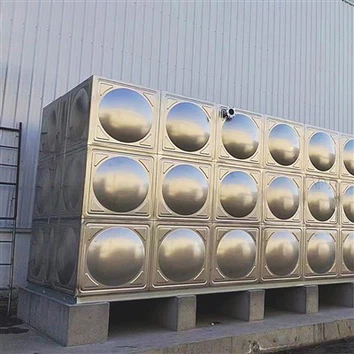
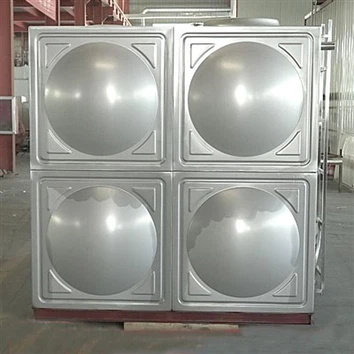
At Shandong Wanneng Group, we offer high-quality stainless steel water tanks designed to meet the diverse needs of residential, commercial, industrial, and agricultural water storage. Our stainless steel water tanks are renowned for their durability and corrosion resistance, providing a long-lasting and reliable solution for all your water storage needs. Whether you require a tank for your home, business, or industrial facility, our tanks ensure safe, clean, and efficient water storage, all while offering exceptional strength to withstand even the most challenging environments. Trust Shandong Wanneng Group for all your water storage needs, backed by our years of expertise and commitment to quality.

Stainless Steel Water Tank
What is a Stainless Steel Water Tank?
Why Choose Us?
Advanced Equipment
We operate with over 80 sets of large-scale industrial equipment, including production lines for refrigeration units, fan coils, machine tools, aluminum alloys, and insulation, ensuring high-efficiency manufacturing and precision.
High Quality
Certified with ISO9001 & ISO14000 since 2005, our products are eco-friendly, premium, and inspection-free. We are a trusted member of the China Air Conditioning Association, known for our award-winning, reliable products.
Strong Strength
With a registered capital of ¥78 million, we employ 800+ staff, including 296 technicians and 35 senior engineers, in a 270,000 m² facility, ensuring the scale and expertise needed to deliver high-quality solutions.
Production Energy
Our annual production includes 150,000+ HVAC units, 50,000 ventilation units, 2,800 refrigeration systems, and 200,000 m² of ventilation ducts, demonstrating our high-volume capacity and consistent quality.




Benefits of Stainless Steel Water Tanks
- Corrosion Resistance: Stainless steel resists oxidation and corrosion caused by water and biocides, eliminating the need for additional coatings both internally and externally.
- Exceptional Durability: Highly resistant to cavitation, crevice corrosion, and wear, stainless steel tanks perform well under various temperatures and pressures without cracking or freezing.
- Longevity: Stainless steel tanks are long-lasting, with a life span that surpasses many alternatives, saving costs on frequent repairs or replacements.
- Environmentally Friendly: Made from up to 70% recycled material, stainless steel tanks are both recyclable and sustainable, reducing their environmental impact.
- Hygienic and Safe: Non-porous and inert, stainless steel prevents bacterial and mold growth, ensuring safer water storage without chemical leakage or contamination.
- Mobility: Stainless steel tanks can be easily relocated, reducing installation costs and allowing for flexibility if the tank needs to be moved.
- Aesthetic Appeal: The sleek, modern look of stainless steel tanks enhances the appearance of any property and can be customized to match the surroundings.
- Cost-Effective: With fewer repairs and a longer service life, stainless steel tanks offer a low Total Cost of Ownership (TCO), making them a cost-efficient choice in the long run.
Selection of Stainless Steels for Water Tank Applications


Stainless steel grades 304 and 316 are ideal for storing cold or unheated municipal drinking water. When tanks are properly designed and fabricated, localized corrosion, such as pitting or crevice corrosion, is rarely an issue. However, hot water applications may be at risk of stress corrosion cracking (SCC).
Stress Corrosion Cracking (SCC): Key Risk Factors
- Temperature
- Chloride content
- Tensile stress
- Oxygen levels
Chlorides can concentrate at splash zones, water/air lines, or in wet external insulation, creating corrosion hot spots. Temperature spikes and residual stresses from welding also increase SCC risk.
Design Recommendations
- Minimize crevices to reduce stress points and corrosion risk.
- Use fully welded joints instead of lap seams or mechanical fasteners.
- Prevent chloride buildup in critical zones.
Stress Control Measures
Reducing residual tensile stress can lower SCC risk, especially in critical applications:
Sub-critical stress relief: 450°C + slow cooling
Full annealing: 1050–1100°C + air cooling
Weld control: Precise tack welding and heat input management help reduce weld stress when post-weld heat treatment isn't possible.
What Are the Various Applications of Stainless Steel Water Tanks
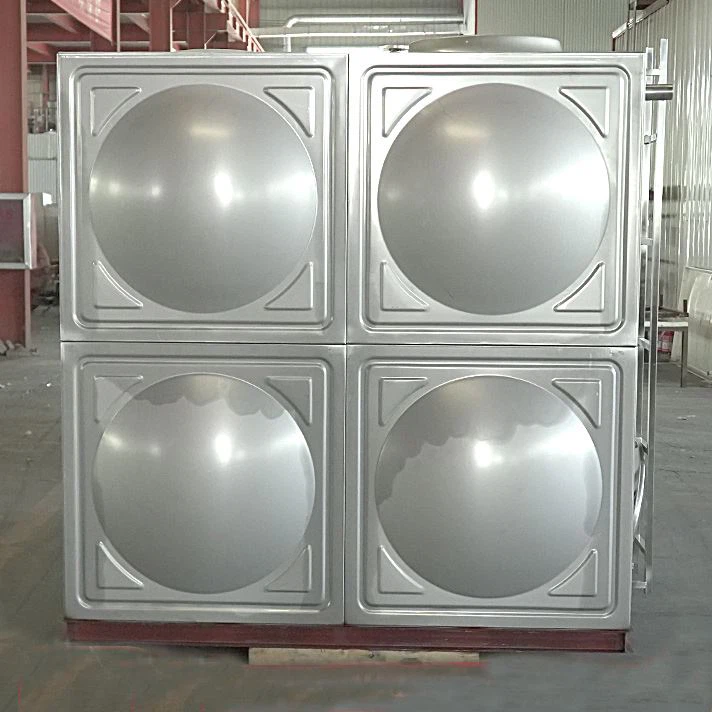
Stainless steel water tanks are really useful because they are strong, can't rust, and keep things clean. They have lots of different uses, like:
● Keeping clean drinking water in homes.
● Storing water for factories and businesses.
● Storing water for farming and agriculture.
● Helping to put out fires in buildings.
● Mixing and storing ingredients in food and drink factories.
● Storing harsh chemicals safely in chemical plants.
● Storing materials for making medicine in pharmaceutical factories.
Choosing the Right Size: A Guide to Selecting Stainless Steel Water Tanks
Securing a reliable water supply for your home starts with investing in the right residential bulk water storage tank. However, the effectiveness of this system depends on selecting a tank size that matches your household's water usage, available installation space, and future needs.
1. Assessing Household Water Needs: A Crucial First Step
The first and most important step in selecting the right water tank size is understanding your household's daily water usage. Consider the number of occupants, average water consumption habits, and any specific needs like gardening, laundry, or livestock care. Accurately estimating your usage helps lay the foundation for choosing a tank that truly supports your lifestyle.
2. Accounting for Seasonal Variations and Emergencies
Daily use isn't the only consideration. Seasonal changes—like dry months or peak gardening seasons—can increase demand. A larger tank also offers peace of mind during emergencies such as droughts or supply disruptions, ensuring your household stays self-sufficient when water access is limited.
3. Balancing Capacity with Available Space
While opting for the largest tank may seem ideal, it's important to assess the installation space. Evaluate your available area, tank dimensions, shape, and local zoning or placement regulations. A well-fitted tank should provide adequate capacity without compromising space or property functionality.
4. Planning for the Future
Think long term. Will your household grow? Are you planning home additions, new landscaping, or other water-intensive projects? Choosing a tank that allows for future expansion ensures your investment continues to meet your needs as they evolve.
5. Calculating the Right Capacity: A Practical Guide
As a rule of thumb, estimate 50–100 gallons (190–380 liters) per person per day for general household use. Multiply this by the number of residents, then factor in additional usage and a buffer for emergencies. This practical approach ensures you choose a capacity that's efficient, reliable, and tailored to your specific situation.
Maintenance Tips for Stainless Steel Water Tanks
Stainless steel water tanks are known for their corrosion resistance and ability to maintain water quality. However, to ensure long-term performance and durability, regular maintenance is essential. Below are key maintenance tips to keep your stainless steel water tank in optimal condition:
Regular Cleaning
To keep your stainless steel tank clean and free from debris, it should be cleaned at least once a year, or more frequently in harsh environments. Drain the tank completely, use a soft-bristled brush and mild detergent designed for stainless steel, and rinse thoroughly with clean water.
Routine Inspection
Though stainless steel is resistant to corrosion, it is not completely immune. To prevent corrosion, avoid harsh chemicals and abrasive cleaning agents. Keep the tank dry when not in use, and store it away from corrosive substances like fertilizers or pesticides. Applying a protective coating or paint is also a good preventive measure.
Maintaining Water Quality
Maintaining clean water is crucial for tank performance. Regularly test the water for pH levels, bacteria, and contaminants. To ensure water quality, keep the tank sealed and clean, and consider using a UV sterilizer or water treatment system. Additionally, shield the tank from sunlight and environmental exposure.
Regular Maintenance
For long-term functionality, perform regular maintenance. Inspect for leaks or corrosion, replace damaged parts promptly, and ensure the tank is covered to protect it from direct sunlight. Scheduling professional inspections will also help maintain the tank's performance and longevity.
By following these maintenance steps, you can ensure your stainless steel water tank remains in excellent condition, providing clean and safe water for years to come.
FAQs
What is a Stainless Steel Water Tank?
A stainless steel water tank is a durable, corrosion-resistant container designed for water storage. Made from high-quality stainless steel, these tanks are ideal for residential, commercial, industrial, and agricultural purposes, offering a long-lasting solution for water storage.
Why should I choose a Stainless Steel Water Tank?
Stainless steel water tanks are highly durable, resistant to corrosion, and require minimal maintenance. They are hygienic, preventing bacterial and mold growth, and are also eco-friendly, made from up to 70% recycled material. They provide reliable, long-lasting water storage and are a cost-effective choice due to their longevity.
How do I maintain my Stainless Steel Water Tank?
To maintain your stainless steel water tank, clean it regularly with mild detergents, inspect for damage such as rust or cracks, and ensure the water quality remains high. Prevent corrosion by avoiding harsh chemicals and ensuring the tank is stored away from corrosive substances. Schedule professional inspections periodically to keep the tank in optimal condition.
What are the different types of Stainless Steel Water Tanks?
There are various types of stainless steel water tanks, including welding stainless steel tanks, food-grade stainless steel tanks, rectangular water tanks, and drinking water tanks. These tanks are designed to meet different needs, including potable water storage, agricultural use, and industrial applications.
How do I choose the right size for my Stainless Steel Water Tank?
To choose the right size, assess your household’s daily water usage, consider seasonal changes, and plan for future needs. A general guideline is to estimate 50–100 gallons (190–380 liters) per person per day, adding a buffer for emergencies or additional uses like gardening. Ensure the tank fits your available installation space and complies with local regulations.
As one of the leading stainless steel water tank manufacturers and suppliers in China, we warmly welcome you to wholesale cheap stainless steel water tank from our factory. All customized products are with high quality and low price. Contact us for quotation.
welding stainless steel water tank, rectangular water tank, water tank