


Fire Damper
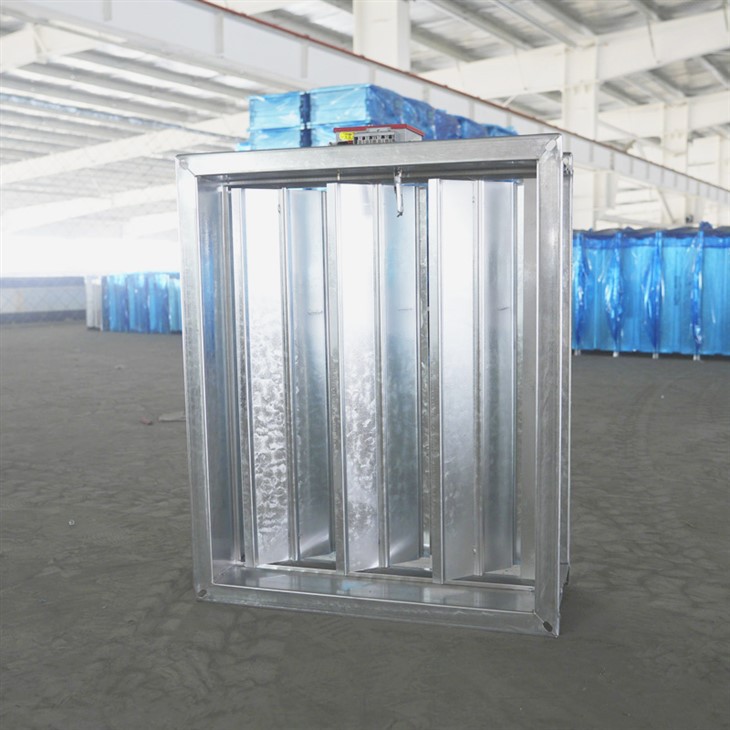
A fire damper is an essential component in heating, ventilation, and air conditioning (HVAC) systems, designed to prevent the spread of fire within a building. Installed in ducts that pass through fire-rated walls and floors, fire dampers work by automatically closing when a fire is detected. This closure is triggered by a thermal response, such as a fusible link melting, or through signals from a fire alarm system. At Shandong Wanneng Group, we manufacture high-quality fire dampers that help isolate fire and smoke, providing crucial protection and giving occupants more time to evacuate safely, while also preventing further damage to the property.
Why Choose Us
Advanced Equipment
We utilize cutting-edge production lines, including refrigeration units, fan coils, machine tools, and aluminum alloy profiles. With over 80 sets of large-scale equipment, we ensure top-quality manufacturing.
Commitment to Quality
Shandong Wanneng Group holds ISO9001:2000 and ISO14000 certifications, reflecting our commitment to high-quality products. As a member of the China Air Conditioning Association, our products have earned national and provincial awards, establishing us as leaders in green and environmentally friendly solutions.
Experienced Workforce
With a registered capital of 78 million yuan and a skilled team of 800 employees, including 296 technical experts, we have the expertise to meet any challenge. Our facilities cover 270,000 square meters, ensuring efficient and large-scale production.
Wide Production Capabilities
We produce over 150,000 sets of air conditioning equipment and 50,000 sets of ventilation products annually. Our extensive manufacturing range also includes aluminum alloy profiles, external wall insulation, and more, allowing us to meet diverse customer needs.


How Do Fire Dampers Work
- Fire dampers are heat-sensitive safety devices designed to protect buildings and workspaces from the spread of fire, heat, and smoke. When the system's temperature reaches a preset threshold, the internal heat-response mechanism is activated—either by melting or tripping—causing the damper blades to close. This action prevents fire, heat, and smoke from escaping into other areas of the building.
- Electric or pneumatic actuators are used in industrial dampers to control or stop airflow, either by modulating or positioning the damper blades. The damper is triggered to open or close when it receives a control signal.
- The control signal is typically sent from a sensor connected to a heat-response device, like the fusible link mentioned above. If the damper is activated, the fuse must be replaced for the damper to function again.
- In certain industrial applications, temperatures may exceed 165°F. For such high-temperature environments, fire dampers with fuses that melt at 212°F are available, ensuring reliable protection.
Where Is a Fire Damper Required?
Fire dampers are essential where air ducts pass through walls rated for 2 hours or more. They must be installed in all air transfer openings (non-ducted) in rated walls, regardless of the rating. Fire dampers are also necessary for certain penetrations of rated floor assemblies and shaft enclosures, although not all penetrations require them.
Smoke dampers are required at penetrations of smoke barriers, except when the HVAC system is fully ducted and a sprinkler system is installed throughout the building. In this case, smoke dampers are not needed. Smoke dampers are also mandatory in air transfer openings (non-ducted) in smoke partitions.
In cases where both a fire damper and a smoke damper are needed, combination units that are both heat and smoke responsive can be used.
Types of Fire Dampers and Their Roles
Fire dampers play a vital role in preventing the spread of fire through ducts and other openings in a building. These dampers come in various styles, each serving a unique purpose in protecting your property. The main types include dynamic fire dampers, static fire dampers, smoke dampers, and combination dampers. Understanding the differences between these dampers can help ensure the right protection for your home or business.
Dynamic vs. Static Fire Dampers
Static fire dampers are designed to block airflow when a fire occurs. Triggered by the building's fire system, these dampers seal off the ducts and prevent air from passing through, stopping the fire from spreading quickly and reducing further damage.
On the other hand, dynamic fire dampers are used in areas where the HVAC system’s blower continues to run during a fire alarm. These dampers are built to close against moving air, effectively containing the fire even when airflow is active.
Smoke Dampers
Smoke dampers are designed to control the movement of smoke during a fire. Their purpose is to prevent smoke from quickly entering various parts of the building, giving occupants time to evacuate safely and minimizing smoke damage. Smoke dampers are typically activated by a smoke detection system or can be controlled remotely via a wireless device.
Combination Dampers
Combination dampers are versatile devices that stop both smoke and flames from spreading. Available in both static and dynamic styles, these dampers offer a comprehensive solution for fire safety, making them an excellent choice for homeowners looking for reliable protection.
How Do Fire Dampers Prevent the Spread of Fire?
Fire dampers are critical in preventing the spread of fire within a building’s ventilation system. These safety devices consist of several key components that work together to contain the fire and smoke, ensuring that they do not spread to other areas of the building.
Frame
The frame of the fire damper is typically rectangular or square and is made from heat-resistant materials, such as galvanized steel or stainless steel, ensuring it can withstand high temperatures.
Blade
The blades are positioned within the frame and can move to either open or close the damper. When closed, the blades effectively seal off the airflow, preventing fire and smoke from traveling through the ducts.
Fusible Link or Actuator
The fusible link or actuator is the mechanism that triggers the damper to close in the event of a fire.
Fusible Link
Inside the damper, a metal alloy in the fusible link melts at a specific temperature (usually around 74°C), causing the blades to close and seal the duct.
Actuator
Electronic or pneumatic actuators are also used to control the damper's closure. They are activated by signals from the building’s fire alarm or fire protection system, ensuring the damper responds to fire detection automatically.
What Happens When a Fire Damper Fails?
Fire dampers are crucial in any fire containment system, particularly in HVAC systems where ducts pass through fire-rated barriers. They help contain fires by sealing off the ductwork when triggered by heat, preventing fire and smoke from spreading.
However, for fire dampers to function correctly, they must be properly installed, maintained, and not misused. If a fire damper fails, the fire containment system is compromised, and the spread of fire can increase rapidly. Let's explore some common reasons why fire dampers may fail.
1. Incorrect Installation
- Wrong Size: If the damper doesn’t fill the duct space, it can't effectively contain the fire, even if it operates correctly.
- Improper Orientation: Installing the damper upside down or facing the wrong way can prevent it from closing. Air pressure from the HVAC system should help close the damper, but improper positioning can have the opposite effect.
- Wrong Type of Damper: Installing a smoke damper instead of a fire damper will not contain the fire, regardless of its functionality.
2. Lack of Proper Maintenance
Fire dampers consist of moving parts that can fail over time. Corroded or jammed springs, damaged blades, or malfunctioning fusible links can prevent the damper from closing properly. Regular cleaning is essential, especially after construction or maintenance work, to avoid dirt buildup that can interfere with the damper’s function.
3. Misuse of the Damper
Sometimes, dampers are blocked or obstructed by cables or other materials, preventing them from closing fully. If the damper is held open, it becomes ineffective, leaving the building vulnerable to fire and smoke. This can compromise the safety of occupants, delay evacuation, and make firefighting efforts more difficult.
Benefits of Fire Dampers in Preventing the Spread of Fire
Fire dampers in HVAC systems offer several key benefits, helping to protect both people and property. When triggered by heat, these dampers automatically close, effectively preventing the spread of fire and smoke through the ductwork. This vital function helps to:
- Limit Property Damage: By containing the fire within a specific area, fire dampers help minimize damage to the building and its contents.
- Provide More Time for Evacuation: Fire dampers give occupants valuable time to evacuate safely, while also allowing firefighters to respond and control the fire more efficiently.
- Maintain Safe Escape Routes: They help keep escape routes—such as corridors and stairwells—free of smoke, ensuring that these areas remain clear, visible, and breathable for safe evacuation.

The Basics of Fire Damper Maintenance
Regular fire damper maintenance is essential for ensuring these safety devices are always ready to perform when needed. Proper maintenance includes routine inspections, cleaning, and testing to identify and resolve any issues before they lead to failure.
Inspection Frequency and Protocols
Fire dampers should be inspected regularly, as part of a comprehensive HVAC system maintenance plan. Technicians should follow established guidelines to check for proper operation, damage, or any obstructions that could interfere with the damper’s function. Early detection of potential issues is key to preventing failures.
Dirt and Debris Accumulation
A common issue with fire dampers is the buildup of dirt and debris, which can obstruct the damper's movement or prevent it from closing during a fire. Regular cleaning is vital to ensure smooth operation when it's needed most.
Corrosion and Wear
Corrosion and wear can degrade the performance of fire dampers over time. Regular inspections help identify signs of corrosion, allowing for timely repairs or replacements of worn-out parts to maintain the damper's structural integrity.
FAQs
What is a fire damper and how does it work?
Where is a fire damper required?
How do you maintain a fire damper?
How long should a fire damper last?
How do you troubleshoot fire damper faults?
As one of the leading fire damper manufacturers and suppliers in China, we warmly welcome you to wholesale cheap fire damper from our factory. All customized products are with high quality and low price. Contact us for quotation.
motorized fire damper, fire damper, control damper